Fishing is a rewarding and relaxing hobby that connects you with nature while testing your patience and skill. Whether you’re a beginner or have some experience, understanding the basics can transform your fishing trips into successful and enjoyable outings. This guide shares simple, clear advice for anglers aged 25-45 who appreciate hands-on projects, seek unique experiences, and want to build confidence in their fishing skills.
What Do You Need to Get Started with Fishing?
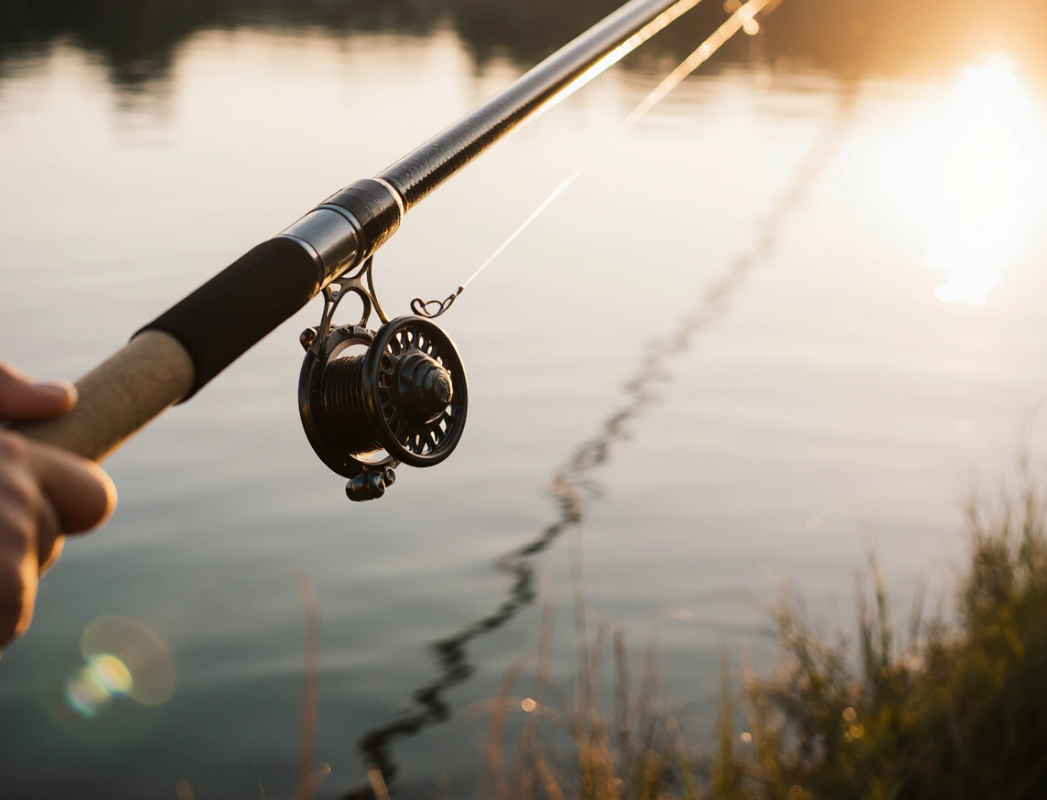
Starting fishing doesn’t have to be overwhelming. At its core, you need a fishing rod, reel, line, bait or lures, and a place to fish. Knowing the right equipment to choose makes all the difference.
Material
Advantages
Disadvantages
Best Use
Spinning Rod & Reel
Easy to use for beginners, versatile
Less control for very large fish
Small to medium freshwater fishing
Baitcasting Rod & Reel
Better casting accuracy and power
Steeper learning curve
Experienced anglers, larger fish
Monofilament Line
Stretchy, forgiving for beginners
Less sensitive to bites, degrades faster
General purpose fishing
Fluorocarbon Line
Almost invisible in water, very sensitive
More expensive
Clear water fishing
How Do You Choose the Right Bait and Lures?
Choosing the right bait or lure depends on the fish you want to catch and the environment you’re fishing in.
Live bait: Worms, minnows, or insects are natural and often irresistible to fish.
Artificial lures: These mimic prey and come in many colors and shapes, good for targeting specific species.
It’s helpful to experiment with different options until you find what works best on your fishing spot. Local bait shops can offer advice based on current fish activity.
What Are the Best Techniques for Casting and Reeling?
Mastering casting and reeling techniques increases your chances of catching fish.
Casting: Use smooth, controlled motions. For beginners, spinning rods are easier — release the line with your finger as you cast.
Reeling: Keep a steady speed, vary the speed occasionally to imitate moving prey.
Setting the hook: When you feel a bite, pull back quickly to hook the fish securely.
What Are Common Mistakes Beginners Make in Fishing?
Avoiding typical errors can save time and frustration:
Choosing the wrong tackle for fish size: This wastes energy and scares fish away.
Not paying attention to weather or water conditions: Fish behavior changes dramatically with these factors.
Ignoring safety rules: Such as wearing a life jacket or protecting yourself from sun exposure.
Using poor or expired bait: Decreases chances of a catch dramatically.
Improper knot tying: Can lead to losing fish even when hooked.
Expert advice from Sarah Jenkins, Certified Fishing Instructor:
“Many beginners focus on gear but underestimate the power of patience and observation. Watch water patterns and fish activity closely—the best gear won’t help if you don’t read your environment.”
What Are Some Tips for Beginners to Improve Quickly?
Start simple and build your skills step by step:
Practice casting in your backyard before heading out.
Learn to identify different types of fish and their preferred habitats.
Keep a fishing journal to track what works and what doesn’t.
How Do You Care for Your Fishing Gear Properly?
Good maintenance extends the life of your fishing equipment.
Rinse rods and reels with fresh water after saltwater fishing.
Regularly check fishing line for wear and replace it when frayed.
Store gear in a dry place to prevent rust and damage.
What Are the Best Places to Fish in the U.S. for Beginners?
Several U.S. locations offer accessible fishing spots with plenty of educational resources:
Lake Okeechobee, Florida – known for bass fishing.
Puget Sound, Washington – good for saltwater fishing near shore.
Lake Erie, Great Lakes region – offers variety of game fish.
Chattahoochee River, Georgia – good freshwater fishing close to cities.
What Is the Right Mindset for Success in Fishing?
Fishing is as much about patience and mindset as it is about technique and gear. Be ready to learn from each trip, enjoy nature, and don’t stress over every catch.
Most Common Fishing Knots and When to Use Them
Knot
Use Case
Advantages
Drawbacks
Improved Clinch Knot
Attaching line to hooks, lures
Simple, strong, reliable
Can slip if not tied properly
Palomar Knot
Hook, lure, swivel attachment
Very strong, easy to tie
Slightly bulkier knot
Loop Knot
Allows lure to move freely
Good for live bait, active lures
Weaker than clinch knots if tied poorly
“Fishing inspired me to create personalized jewelry using natural fishing materials like feathers and beads. Your fishing experience can inspire unique handmade crafts, combining hobbies beautifully.”
How Can You Combine Fishing with Your Love for DIY and Crafts?
Fishing offers plenty of natural materials and inspiration for handmade projects. You can create:
Jewelry from fishing line, hooks (safely cleaned), and beads
Keychains or ornaments from small lures or feathers
Decorative storage boxes for fishing gear
Exploring this creative side brings fresh excitement to fishing and makes your catches even more memorable.
What Should You Avoid When Fishing?
Understanding common errors helps protect your success and the environment.
1. Using overpowered gear for small fish
Many beginners buy heavy rods hoping to catch big fish. It seems like a good plan but results in poor control and fewer bites. Smaller, lighter gear gives you better sensitivity and fun fishing experience.
2. Not checking local fishing regulations
People often skip or forget this. You might unknowingly fish in protected areas or during restricted seasons, which risks fines and damages fish populations.
3. Leaving fishing line and trash behind
It’s tempting to ignore used lines or bait containers after a long day. This practice harms wildlife and pollutes water, ruining future fishing opportunities. Always pack out all your trash.
The Subtle Science Behind Successful Fishing
Here are some lesser-known, expert points that can boost your fishing approach:
Water temperature strongly influences fish feeding habits — early mornings and late evenings when water cools often bring better results.
Light conditions affect lure choice; bright colors work well on cloudy days, while natural shades succeed when water is clear and sunny.
Fish sense vibrations; a slow and steady retrieval minimizes startling them.
Tying knots correctly affects how pressure transfers from line to hook, reducing lost catches.
Matching bait size and movement to typical local prey increases your lure’s effectiveness.
Final Thoughts
Fishing is a wonderful journey full of learning and patience. By choosing the right equipment, mastering basic techniques, and approaching each trip with curiosity, you build rewarding skills. For those who enjoy DIY work, fishing also offers surprising creative avenues. Remember, every angler starts somewhere, and every catch, big or small, is progress.
So, pack your gear, get outside, and enjoy the blend of tranquility and excitement fishing brings. And don’t forget — even the best anglers were once beginners who kept trying.