Physical Address
304 North Cardinal St.
Dorchester Center, MA 02124
Physical Address
304 North Cardinal St.
Dorchester Center, MA 02124
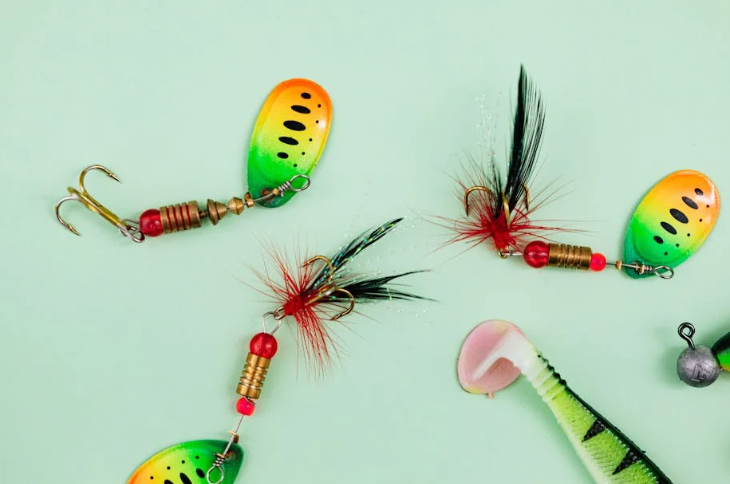
Bass fishing is a popular freshwater sport throughout the USA, especially among outdoor enthusiasts aged 25-45. It involves catching largemouth or smallmouth bass using various techniques and gear. Mastering bass fishing can turn a casual pastime into a rewarding hobby that offers excitement, relaxation, and a connection to nature.
Understanding the basics of bass fishing helps you become more confident on the water. It also saves you money by choosing the right gear and techniques suited to your skill level and environment.
Mastering bass fishing begins with learning the core techniques used by anglers across the country. These include:
Each method has ideal uses depending on the bass’s behavior, water conditions, and season.
Picking the right gear is crucial. Here’s a comparison table of popular materials for rods and reels, their pros and cons, and recommendations for use:
| Material | Advantages | Disadvantages | Best used for |
|---|---|---|---|
| Graphite Rods | Lightweight, sensitive, strong | More brittle, can break on heavy fish | Experienced anglers targeting finesse presentations |
| Fiberglass Rods | Durable, flexible, cheaper | Heavier, less sensitive | Beginners or fishing in heavy cover |
| Spinning Reels | Easy to use, great for light line and lures | Less line capacity, less drag power | Small bass, finesse techniques |
| Baitcasting Reels | Better control and power, larger line capacity | Requires practice to avoid backlash | Experienced bass anglers using heavy lures |
“Choosing gear that fits your style and comfort is key. Don’t rush to buy the most expensive setup. Instead, focus on learning how your rod and reel react in different situations. This builds confidence and prevents frustration.”
Making homemade bass lures is a rewarding DIY project that ties well with your interest in handmade crafts. It boosts your personal connection to fishing and lets you customize lures to your exact needs.

Common materials for handcrafting lures include wood, plastic, paint, and metal hooks. Simple lure types you can start with are crankbaits, soft plastic worms, and spinnerbaits.
Experiment freely—every prototype teaches something new about bass behavior.
Beginners often face common pitfalls that hold back their progress. Avoid these mistakes to improve faster:
Bass are ambush predators that feed based on water temperature, light, and cover availability. Knowing when and where bass feed helps you fish more efficiently:
This knowledge saves time and gear wear by targeting realistic feeding zones.
Proper care of your fishing gear extends its life and maintains performance. Simple maintenance practices include:

Regular maintenance reduces unexpected failures on the water.
“Neglecting gear maintenance is one of the fastest ways to waste money and lose fishing days. A little time cleaning and checking your equipment regularly pays off big in reliability.”
Beyond basics, advanced anglers use techniques like:
Trying these builds versatility and increases your catch opportunities.
Bass fishing is a fun and rewarding outdoor sport that anyone can enjoy with the right techniques and gear. By focusing on mastering core fishing methods, choosing suitable equipment, and maintaining your gear, you’ll build confidence and success.
Engaging in DIY lure crafting strengthens your connection to the craft and allows unique customization. Avoid common mistakes by understanding fish behavior and practicing consistently.
With patience and learning, bass fishing becomes a fulfilling journey that combines skill, strategy, and appreciation of nature.