Physical Address
304 North Cardinal St.
Dorchester Center, MA 02124
Physical Address
304 North Cardinal St.
Dorchester Center, MA 02124
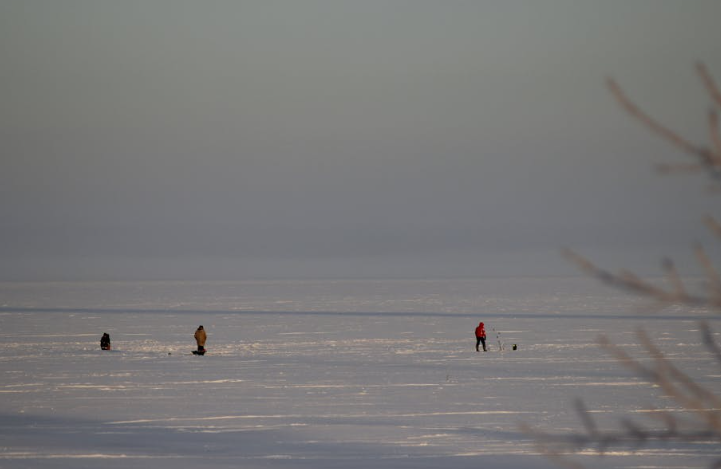
Fishing in extreme conditions pushes both gear and skills to their limits. Whether you face icy waters, stormy seas, or rocky mountain lakes, preparation is key to success and safety. This guide covers everything you need to know to get ready, including gear choices, safety measures, and expert tips. By the end, you’ll feel confident tackling the toughest fishing environments.
Extreme fishing means battling unpredictable environments. Without proper preparation, you risk losing your catch, damaging equipment, or worse, endangering your safety. Understanding the challenges ahead allows you to plan smarter and fish longer. Preparing well saves time, money, and frustration.
Extreme fishing environments include:
Each environment demands specific gear and tactics to succeed. Knowing what to expect helps you choose the right equipment and plan your approach.
Choosing proper gear is essential when conditions are harsh. Below is a comparison of common materials used in extreme fishing equipment to help you decide what fits your needs.
| Material | Advantages | Disadvantages | Best Uses |
|---|---|---|---|
| Carbon Fiber Rods | Lightweight, strong, sensitive to bites | Can be brittle, higher cost | Cold weather fishing, precise casting |
| Graphite Lines | High strength, low stretch, corrosion-resistant | Less forgiving to knots, can snap abruptly | Deep sea and fast current fishing |
| Braided Lines | Very strong, thin diameter, abrasion-resistant | Visible in water, can tangle easily | Fishing rocky shores or heavy cover |
| Neoprene Waders | Waterproof, insulated, flexible | Can be heavy when wet, expensive | Cold rivers, standing in water |
Extreme weather demands attention to your clothing layers and personal gear. Here are key essentials:
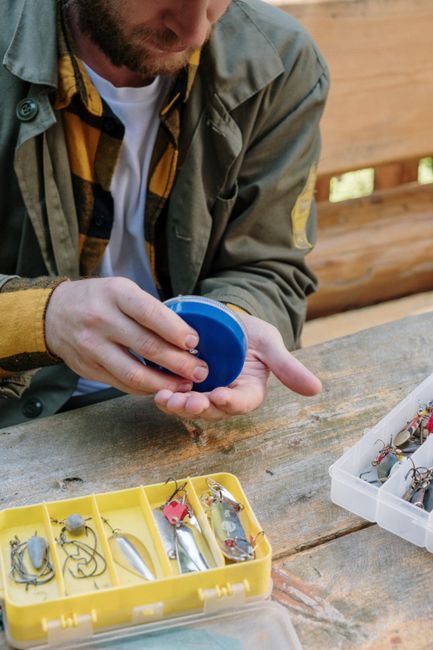
Preparing your clothing and gear properly improves comfort and prevents hypothermia or injury.
Mental toughness and physical readiness are just as important as gear. Prepare yourself by:
Strong preparation reduces stress and improves decision-making on the water.
Even experienced anglers can make errors that cost them fish or safety. Here are five common mistakes:

Successful extreme fishing requires adapting your technique:
Adapting techniques to fit conditions increases your catch rate and satisfaction.
Safety must be your top priority. Always:
Being prepared for emergencies can save your life.
Expert advice from Dr. Emily Carter, Wilderness Safety Trainer: “Most accidents happen because anglers overlook safety basics. Always respect the environment’s power, understand your limits, and carry at least two ways to call for help.”
Understanding material science helps explain why certain gear lasts longer and performs better:
Extreme fishing requires thoughtful preparation, the right gear, safety awareness, and adaptable techniques. Start small by testing your equipment in less extreme conditions. Then step up gradually to build confidence and skill. Remember, effort in preparation directly boosts your chances of success and enjoyment in tough fishing spots. With these insights and expert advice, you’re well-equipped to embrace the challenge.